
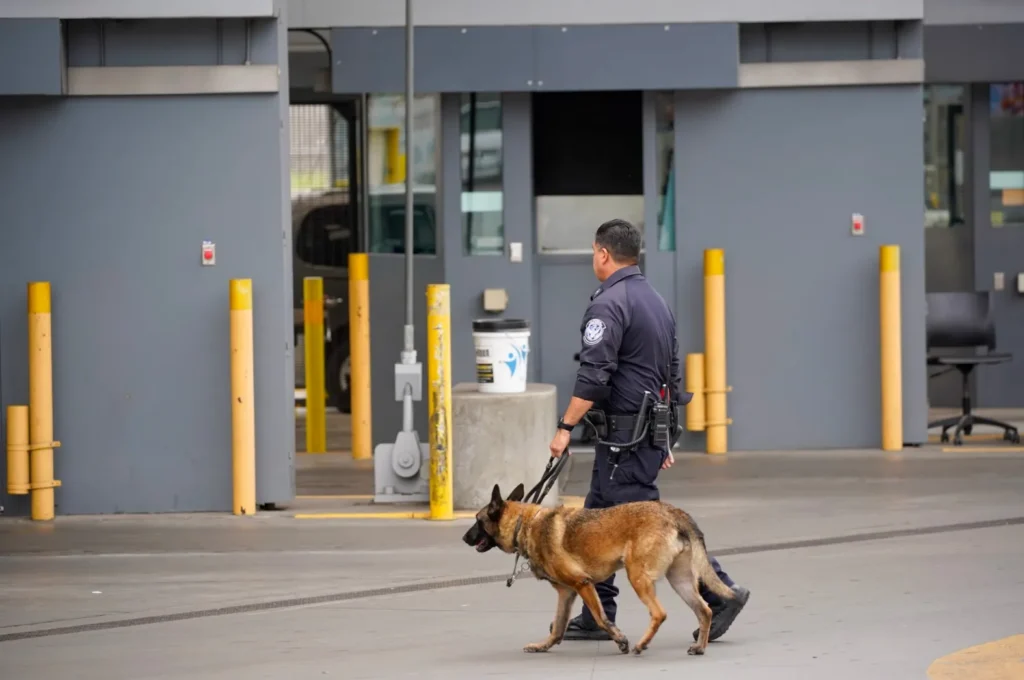

A recent San Diego Union-Tribune investigation examined the growing concern over “blind mule” drug couriers in the San Diego-Tijuana region — cases in which traffickers hide narcotics in the vehicles of unsuspecting border-crossers, often tracking their commute with GPS devices and retrieving the drugs after they’ve crossed into the U.S. Authorities on both sides of the border have begun warning frequent commuters to inspect their vehicles, though the article notes that no single agency tracks every case, making the true scale difficult to measure.
Partner Danni Iredale offered perspective grounded in years of defending these cases. Her central point: whether or not the numbers are rising is almost beside the point — what matters is that everyone in the system, from potential victims to prosecutors to defense counsel, recognizes that blind-mule trafficking is a real and persistent tactic in this border region. As she put it, this has long happened and continues to happen, for reasons that haven’t changed: unwitting couriers don’t betray nervousness at inspection, can’t tamper with or steal the load, and can’t implicate anyone else if they’re caught — which is precisely what makes them useful to traffickers.
The article also notes Iredale’s role in Diaz v. United States, the blind-mule case she argued before the U.S. Supreme Court, which addressed the limits of expert testimony about a defendant’s knowledge and intent.